
Connection before Correction: a Therapeutic Parenting Book Guide
Parenting a child through big feelings, fear, defiance, shutdowns, or explosive behavior can feel lonely. It can also bring up a hard question: Am I responding to the behavior I see, or to the pain underneath it?
The key to attuned and attachment-focused parenting starts with that second question.
Therapeutic parenting Is not permissive parenting. It does not mean ignoring limits. It means building safety first, because children who have experienced trauma, stress, loss, separation, conflict, medical challenges, family instability, or chronic overwhelm often need connection before correction.
Having the right resources can give parents words to use in hard moments, new ways to understand behavior, and reminds us that parenting doesn't require perfection!
Bridge and Bloom Therapy Services put together this guide to highlight trusted books on positive parenting, children’s mental health, attachment, and trauma-informed care. Many of these titles are also helpful companions to child therapy trauma work, especially when parents want to bring the same calm, connected approach into daily life.
Why therapeutic parenting books can help
Children often communicate distress through behavior before they can explain it with words. A child may hit because they feel unsafe. They may refuse directions because transitions overwhelm them. They may lie, hide, yell, cling, or shut down because their nervous system is trying to protect them.
Attuned parenting helps caregivers look beneath the surface, and focuses on:
Safety: Predictable routines, calm voices, and clear limits to help children feel grounded.
Connection: Warmth and attunement to help the children's nervous systems settle.
Co-regulation: Creating the space for children to borrow calm from trusted adults.
Repair: Ways that parents and children can reconnect after conflict, and learn without shame.
Curiosity: Helping caregivers learn not to ask: “What is wrong with this child?” but Instead, “What happened, what is hard right now, and what support is needed?”
No book can replace therapy, medical care, or crisis support. This guide is informational and not a substitute for mental health treatment. Still, the right book can become a practical guide during the ordinary moments when parenting feels hardest.
Foundational books for positive and therapeutic parenting

This book is practical, warm, and easy to use right away. It focuses on communication tools for younger children, especially when cooperation is not happening.
Parents will find scripts and examples for everyday challenges like getting dressed, leaving the house, cleaning up, sharing, and handling strong emotions. The strategies are especially useful because they help parents avoid power struggles while still holding boundaries.
For children with trauma histories, commands can sometimes feel threatening, even when they are reasonable. This book offers ways to invite cooperation through playfulness, empathy, choices, and problem-solving.

This version is helpful for school-age children and tweens. It teaches parents how to acknowledge feelings, encourage responsibility, reduce criticism, and support children in solving problems.
The book is especially strong for families trying to move away from yelling, lectures, threats, or repeated arguments. It gives parents language that respects the child while protecting the parent-child relationship.

Good Inside is built around a powerful idea: children are good inside, even when their behavior is difficult. Parents are good inside too, even when they lose patience or repeat patterns they wish they could change.
This book is helpful for parents carrying guilt, shame, or fear that they are “doing it wrong.” Dr. Becky Kennedy offers a sturdy, compassionate framework for setting boundaries while staying connected.
The book also helps parents separate a child’s identity from their behavior. Instead of “You are being bad,” the focus becomes, “You are having a hard time, and I will help you stay safe.”
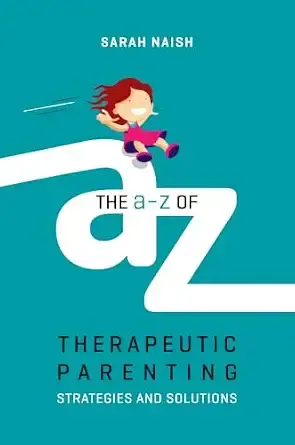
This is one of the most directly relevant books for parents raising children impacted by trauma, attachment disruptions, foster care, adoption, or adverse early experiences.
The format makes it especially useful. Parents can look up specific behaviors and find trauma-informed explanations and responses. That can be comforting when a child’s behavior feels confusing or extreme.
Sarah Naish writes from deep experience with therapeutic parenting. The book helps parents understand why traditional discipline may not work well for children whose nervous systems are wired for protection.
This resource can be especially validating for parents who have tried sticker charts, consequences, or lectures without success. It offers another lens: behavior often makes sense when viewed through fear, grief, survival, or unmet developmental needs.

The Whole-Brain Child explains brain development in a way that feels clear and usable. It helps parents understand why children can seem logical one minute and completely overwhelmed the next.
The book introduces ideas like integration, naming emotions, storytelling after hard experiences, and helping children connect thinking and feeling. These tools can support children after conflict, meltdowns, scary memories, or confusing events.
One of the most parent-friendly lessons is that children need help making sense of emotional moments. When adults calmly help them name what happened, children can begin to build a more organized story instead of storing the experience as fear or chaos.

Beyond Behaviors is essential for parents who feel stuck asking, “Why does my child keep doing this?”
Dr. Mona Delahooke encourages adults to look at behavior through the body and nervous system. A child’s outburst may reflect sensory overload, anxiety, stress, fear, or a lack of regulation skills rather than defiance.
This book is also useful when parents are seeking parenting help with behaviors because it gives a deeper way to understand what behaviors are trying to communicate.
Books that strengthen attachment and emotional safety

Secure attachment does not require perfect parenting. It grows through repeated experiences of response, comfort, repair, and trust.
Raising Securely Attached Kids helps parents understand attachment in a hopeful, practical way. It offers guidance for becoming a safe base while still allowing children to grow, explore, and build independence.
This book is helpful for parents who worry that they have missed too much or made too many mistakes. Attachment can be strengthened through everyday moments: listening, apologizing, comforting, setting limits with care, and showing up again after conflict.
For children who have experienced trauma or inconsistency, attachment-focused parenting can help rebuild trust slowly and steadily.

This book focuses on emotional development and regulation in young children. It gives parents tools for understanding tantrums, sensory needs, emotional expression, and parent regulation.
One of its strengths is the attention it gives to the adult’s nervous system. Children cannot learn calm from adults who are constantly overwhelmed. That does not mean parents must always be calm. It means parents need support, repair skills, and realistic tools too.

This book focuses on the parent’s own story. That makes it a powerful resource for therapeutic parenting.
Many parents discover that their child’s distress touches old wounds. A child’s screaming may trigger memories of being unsafe. A child’s rejection may stir up grief. A child’s defiance may bring up fear, anger, or shame from the parent’s past.
Parenting from the Inside Out helps parents reflect on how their own experiences shape their reactions. That self-understanding can make it easier to pause, choose a response, and repair after hard moments.
Healing the parent-child relationship often includes caring for the parent’s inner world too.
How to choose the right book for your family
There is no single best book for every parent or every child. The most helpful resource depends on what feels hardest right now.
If daily cooperation is the main struggle, start with:
How to Talk So Kids Will Listen and Listen So Kids Will Talk or How to Talk So Little Kids Will Listen
Good Inside
If trauma, attachment, foster care, adoption, or early adversity are central concerns, start with:
The A-Z of Therapeutic Parenting
Beyond Behaviors
Raising Securely Attached Kids
If emotional regulation and meltdowns are the biggest challenges, start with:
Tiny Humans, Big Emotions
The Whole-Brain Child
If parenting brings up your own past, start with:
Good Inside
Parenting from the Inside Out
Raising Securely Attached Kids
How books and therapy can work together
Books give language and perspective. Therapy can help families apply that learning to real relationships, real triggers, and real patterns.
A therapist can help parents explore questions like:
Why does this behavior create such a strong reaction in me?
What might my child’s nervous system be trying to communicate?
What limits are needed for safety?
How can we repair after yelling, shutdowns, or conflict?
What support does my child need to build regulation skills?
For children, therapy can offer a safe space to process big emotions, trauma, family changes, anxiety, grief, or conflict. For parents, therapy can offer support with their own histories so they can respond with more calm and clarity.
That combination can be powerful: parents learn new tools, children receive support, and the family begins practicing a more connected way forward.
Bridge and Bloom Therapy Services can support the healing process
Therapeutic parenting asks a lot of parents. It asks for patience during hard behavior, compassion during conflict, and repair after imperfect moments. It can also uncover old pain.
Bridge and Bloom Therapy Services can help parents work through their own past experiences so they can show up with more steadiness, confidence, and self-compassion. Support is also available for children navigating big emotions, trauma responses, family conflict, anxiety, grief, or behavioral challenges.
For current clients, Bridge and Bloom Therapy also offers a lending library with many of these titles (and more!) available to borrow. These books can enhance treatment by giving families shared language, practical tools, and support between sessions.
Parenting through trauma and big emotions is not easy, and it was never meant to be done alone. With the right support, families can build safety, repair trust, and create more connected moments one day at a time.
Comments